
From “Merry Christmas” to 2 trillion texts a year.
The text message started as a side feature that engineers squeezed into a spare corner of the mobile network. Nobody expected people to use it. Here is how 160 characters became the way the world says “running late,” “game on” and “I love you.”
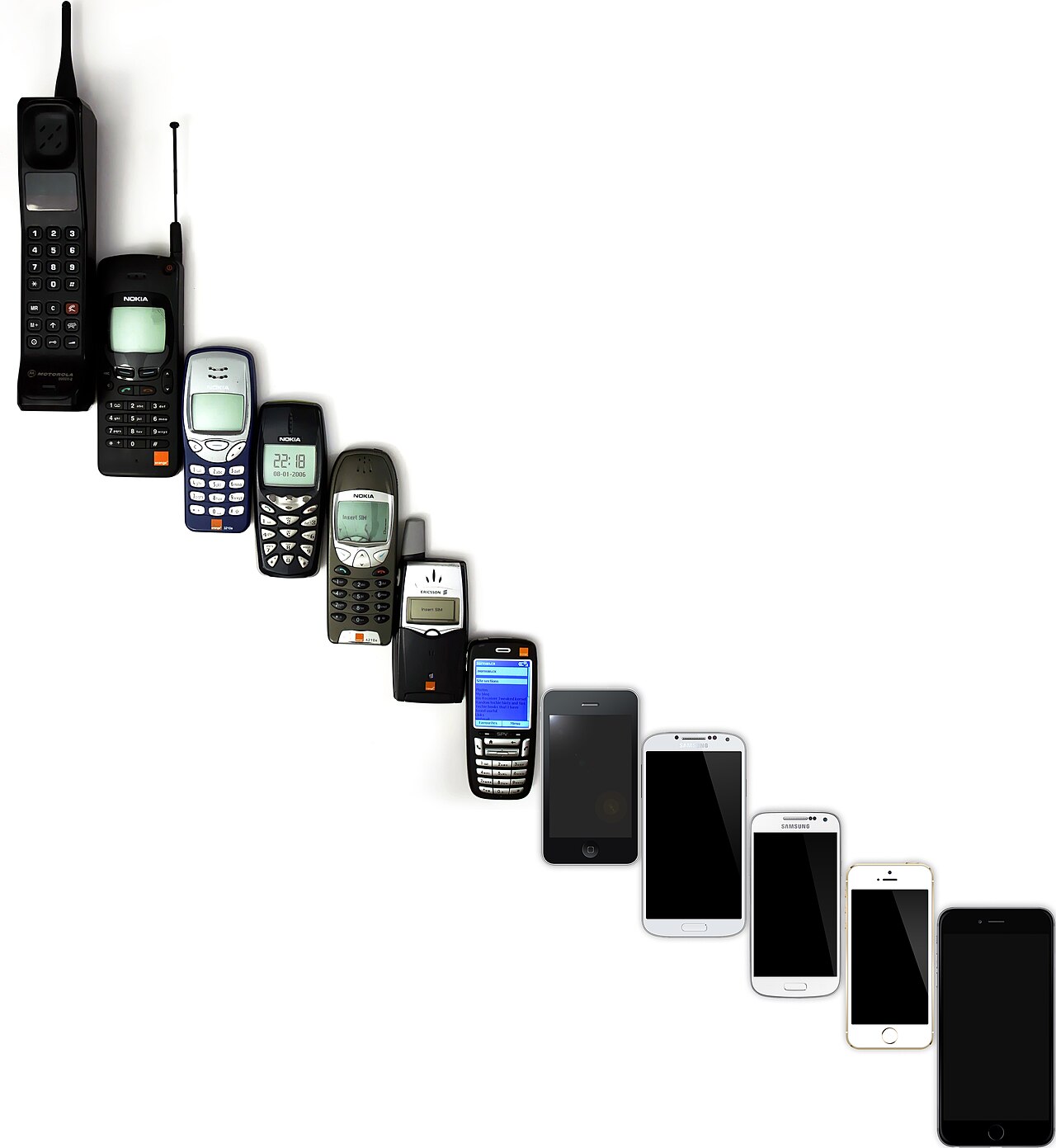
The first text ever sent
“Merry Christmas.”
On December 3, 1992, engineer Neil Papworth typed it on a computer and sent it to Vodafone director Richard Jarvis, who was at an office Christmas party with an Orbitel 901 handset that weighed more than 4.5 pounds. Jarvis could not reply. Phones of the day could receive a text but not send one.
Why a text is 160 characters
In 1984, Friedhelm Hillebrand of Germany and Bernard Ghillebaert of France worked out the idea of short messages for GSM, the new digital mobile standard. In February 1985 they presented it at the GSM group’s meeting in Oslo, and the group approved it that June.
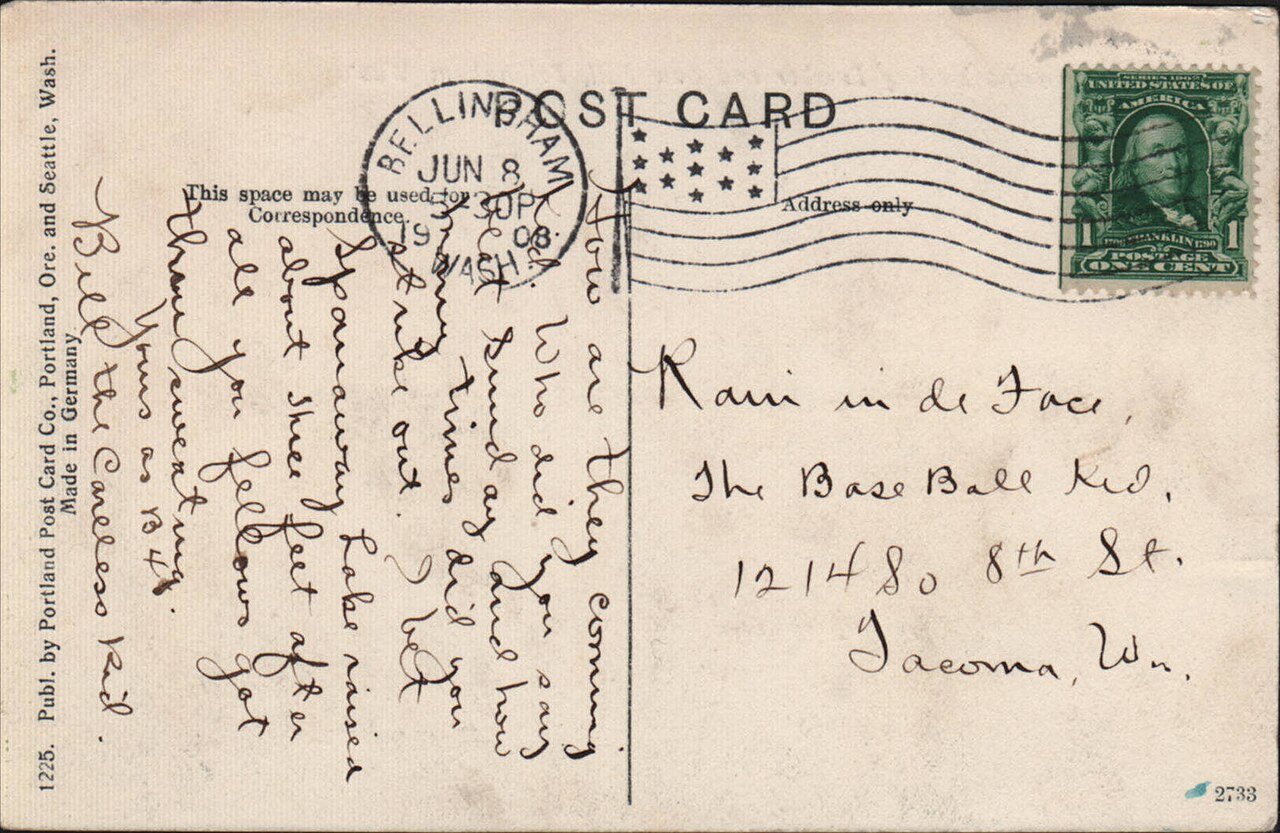
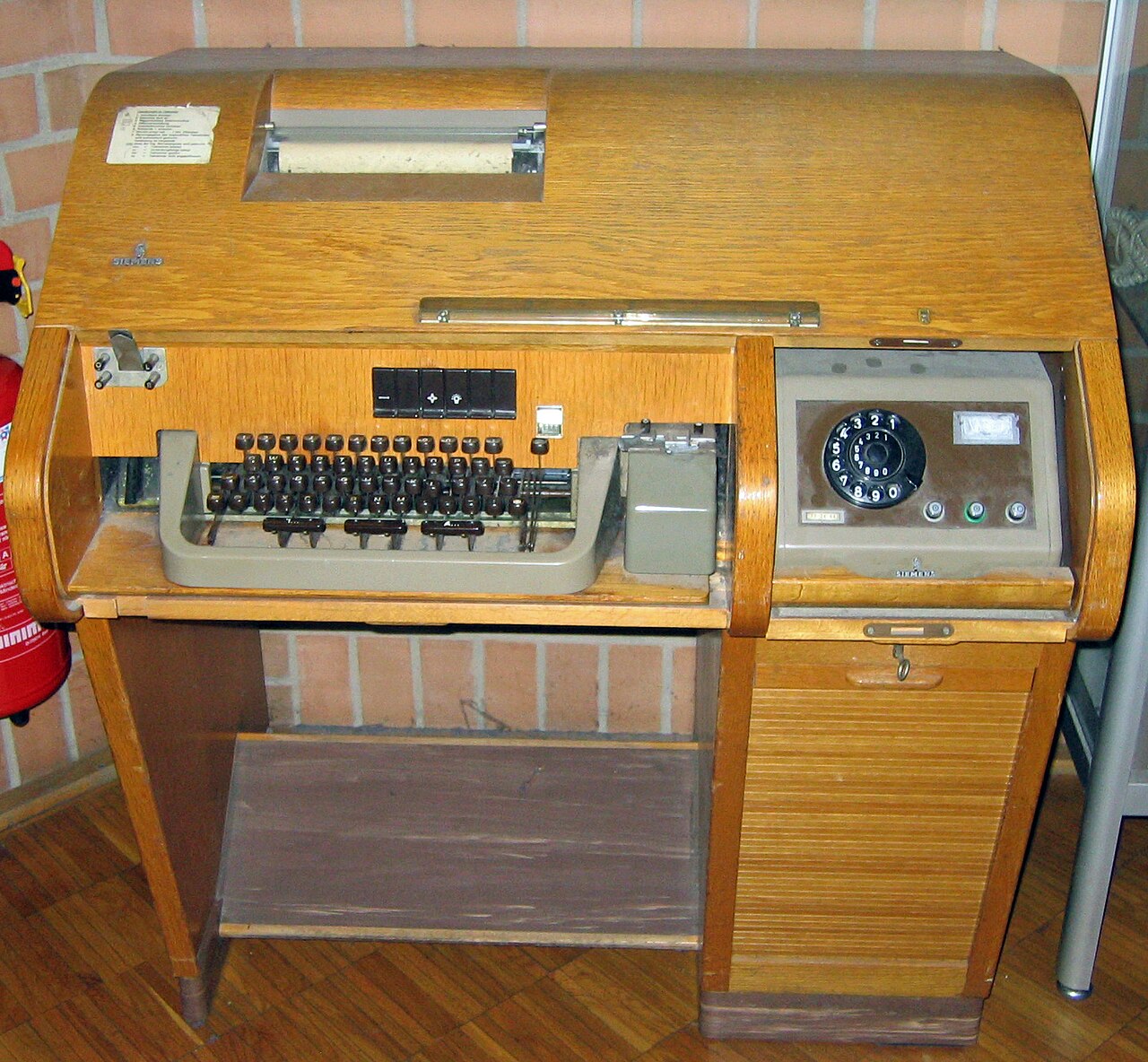
Hillebrand needed to know how much people really had to say. He noticed that a postcard usually held about 150 characters, and so did a typical telex message. If people managed to say what mattered on a postcard, a phone message could be that short too.
The 7-bit alphabet is why letters with accents, like á or ú, and emoji count differently. They need a bigger encoding, which drops a single text to 70 characters.
Forty years of texting, one message at a time
-
1992
The first text goes out
Neil Papworth sends “Merry Christmas” over Vodafone’s GSM network in the UK. It arrives on an Orbitel 901, a phone that could show a message but had no way to answer it.
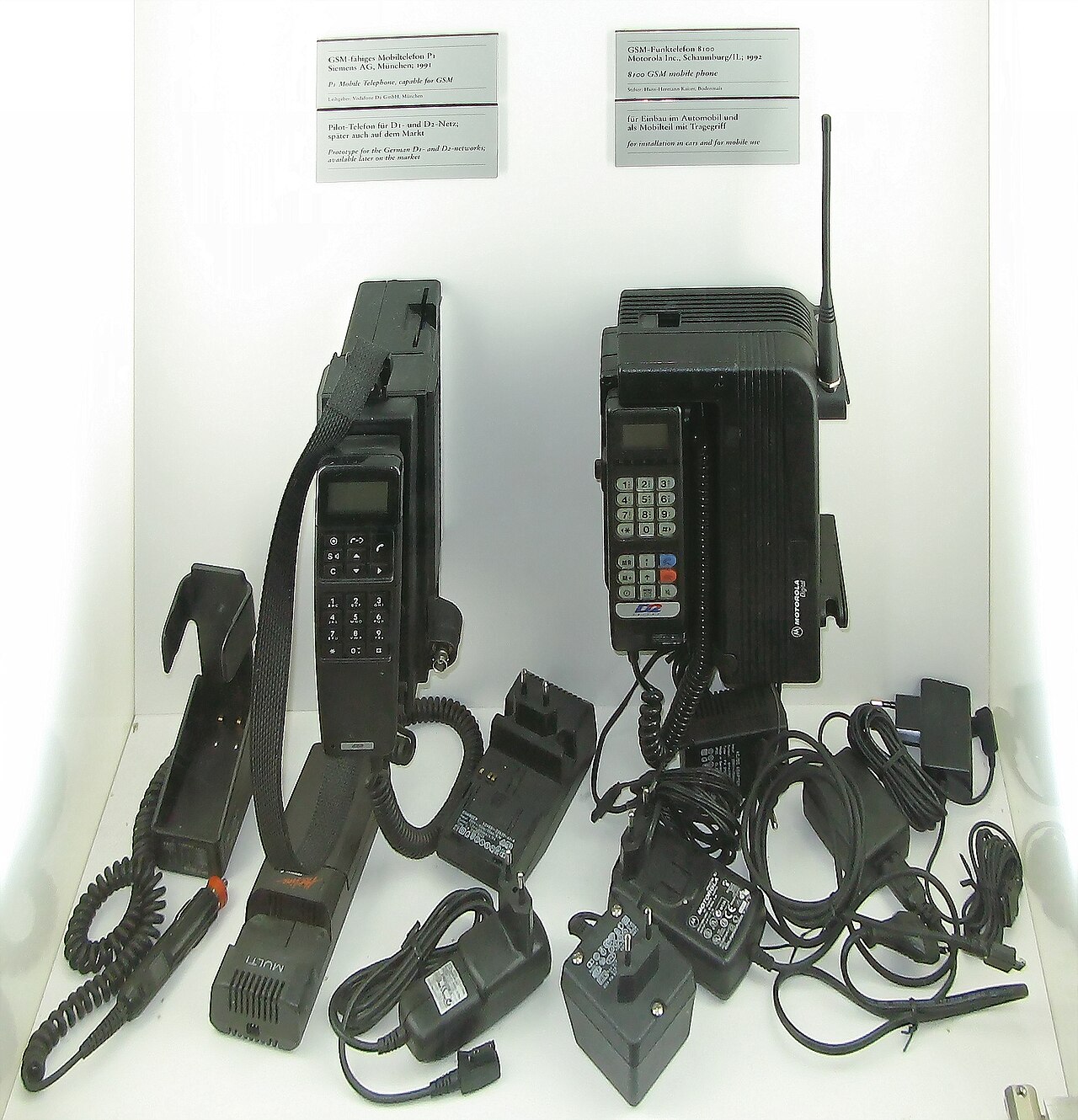
Early GSM phones, 1991. -
1993
Texting becomes a service
Aldiscon, part of Logica, installs the first commercial text message center, for Telia in Sweden. Radiolinja in Finland launches the first text service sold to consumers. That year, Nokia is the only company whose GSM phones let people send texts themselves.
-
1994
A phone made for writing texts
Nokia releases the Nokia 2010, the first phone designed to make writing a text easy. Even so, a year later the average GSM customer sent just 0.4 texts a month.
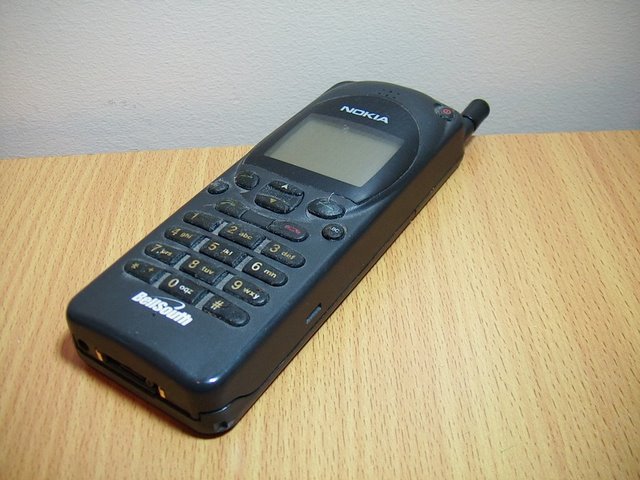
The Nokia 2110, released in 1994 alongside the 2010. -
1996
A full keyboard in your pocket
The Nokia 9000 Communicator opens like a tiny laptop, with a full keyboard for texts, email and faxes. It points to a future where phones are for typing as much as talking.
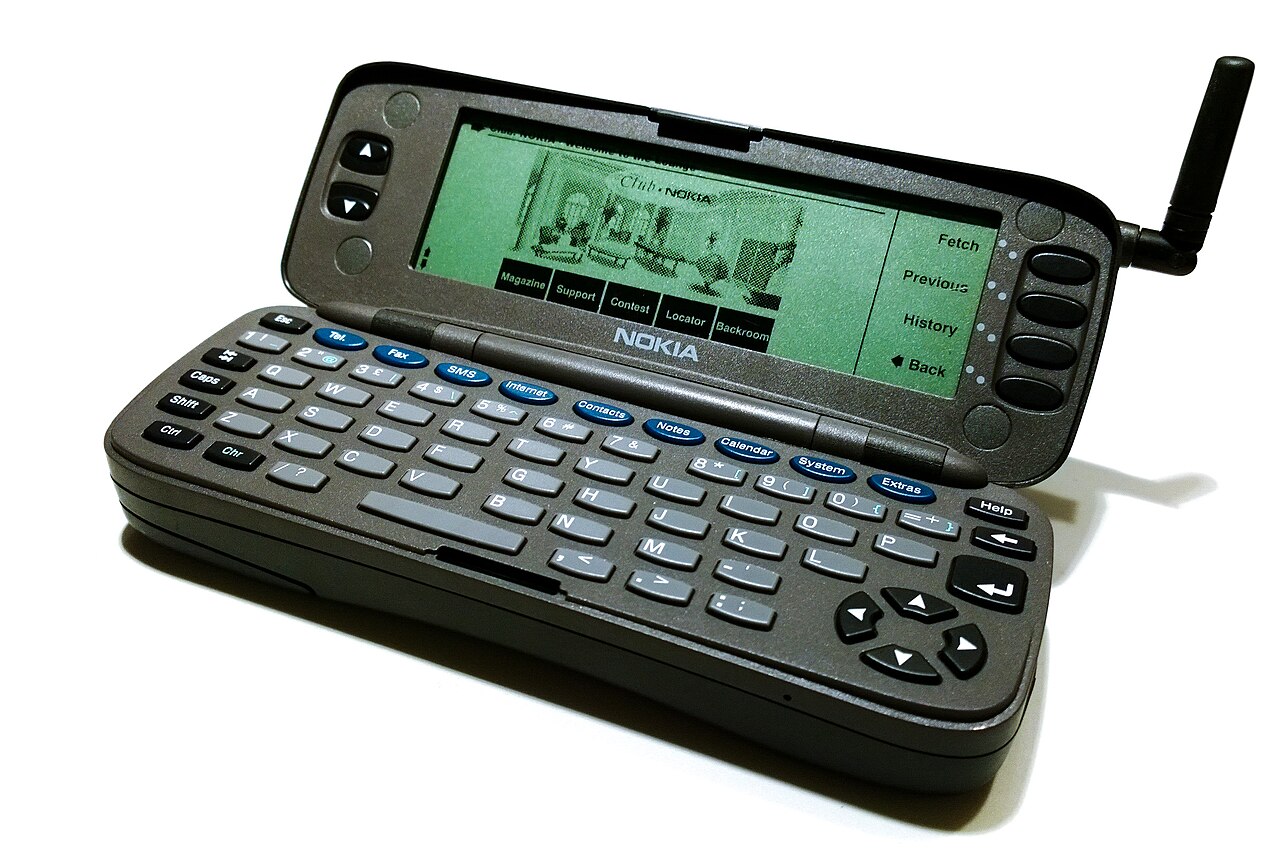
The Nokia 9000 Communicator, opened. -
Late 1990s
T9 and the art of the keypad
On a number pad, “hello” once took 13 key presses. T9 predictive text, from Tegic Communications, guessed the word from one press per letter, and phones from Nokia, Samsung, Siemens and others adopted it. A generation learned to text without looking.
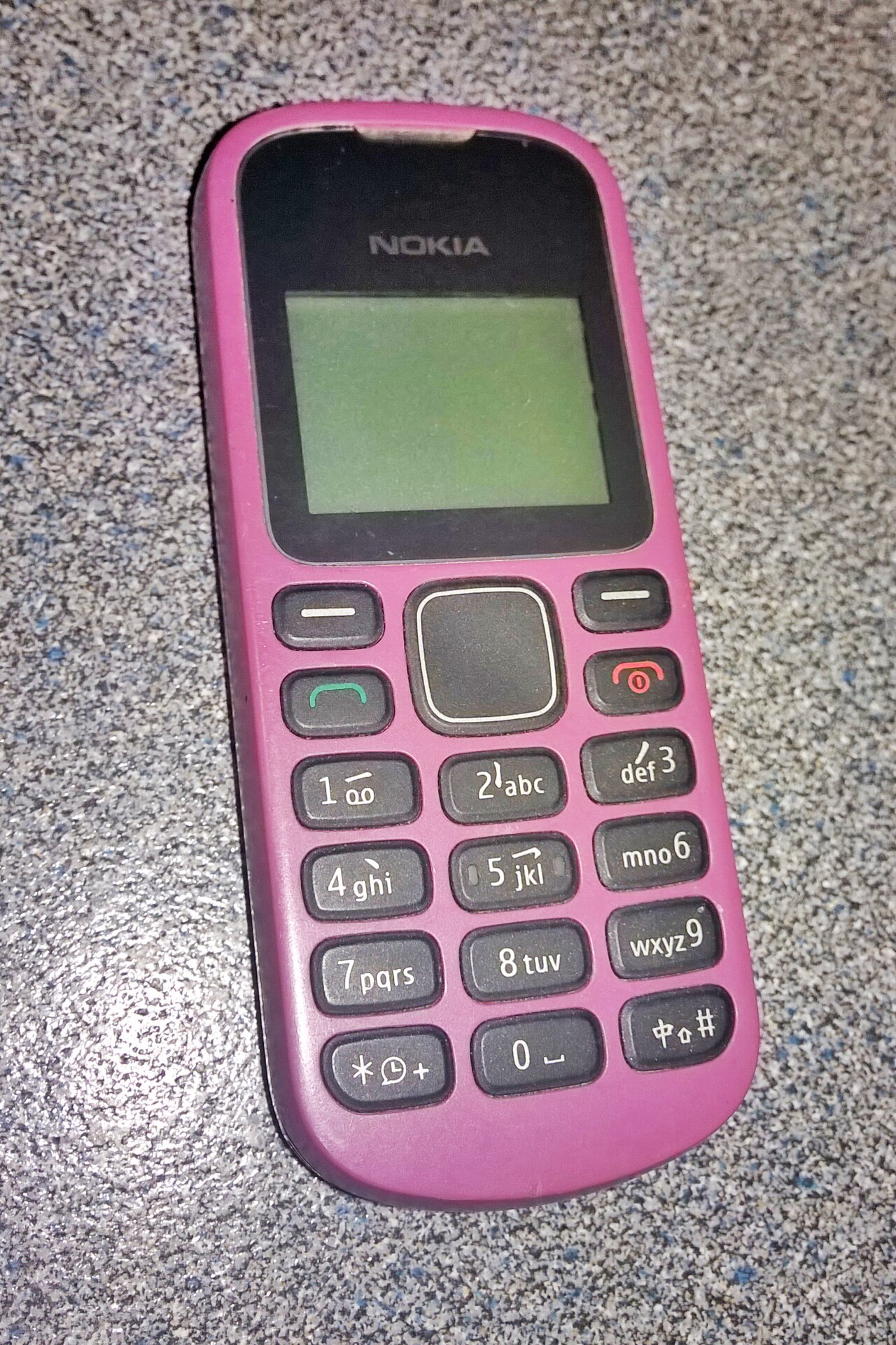
Letters on the number keys, the canvas for T9. -
1999
Text anyone, on any network
UK networks drop the rule that you could only text people on your own carrier. In Finland, texting is already a teen phenomenon.
-
2000
The boom, and the Nokia 3310
By the end of 2000, the average GSM user sends 35 texts a month. The Nokia 3310 arrives with Chat, a messenger built on plain texts, and long messages of up to 459 characters. It goes on to sell 126 million phones.
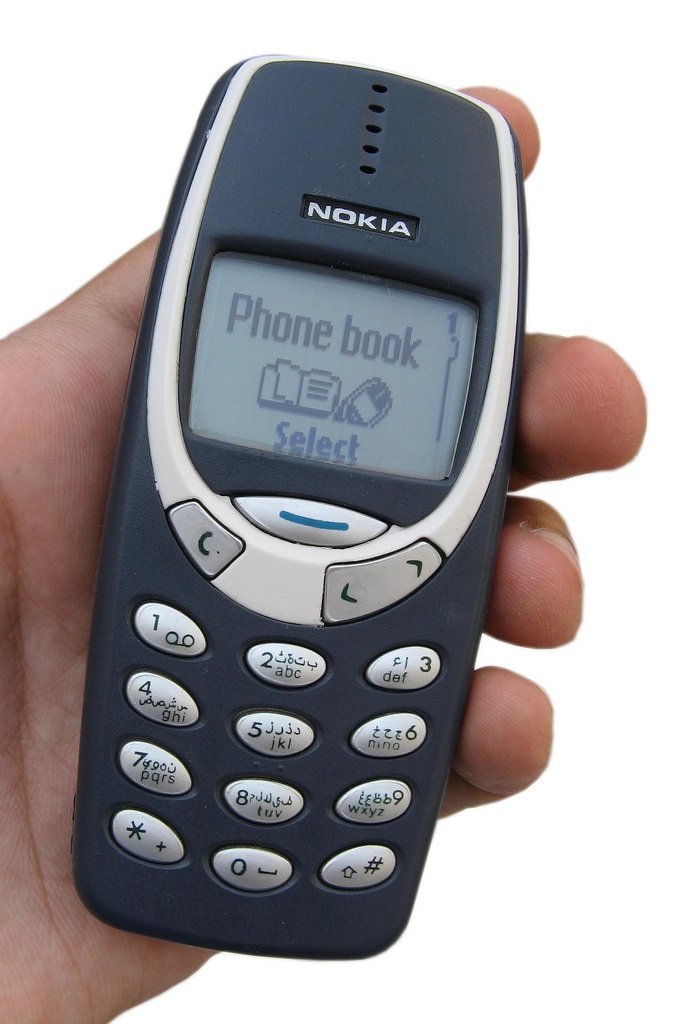
The Nokia 3310, announced September 2000. -
2001
The texting capital of the world
The Philippines becomes known as the texting capital of the world. In the United States, texting stays rare, held back partly by networks that could not talk to each other.
-
2002
366 billion messages
People around the world send 366 billion texts in a single year, ten years after “Merry Christmas.”
-
2004
The flip phone era
Thin flip phones like the Motorola Razr V3 put a keypad and a color screen in millions of pockets, and American texting starts to take off.
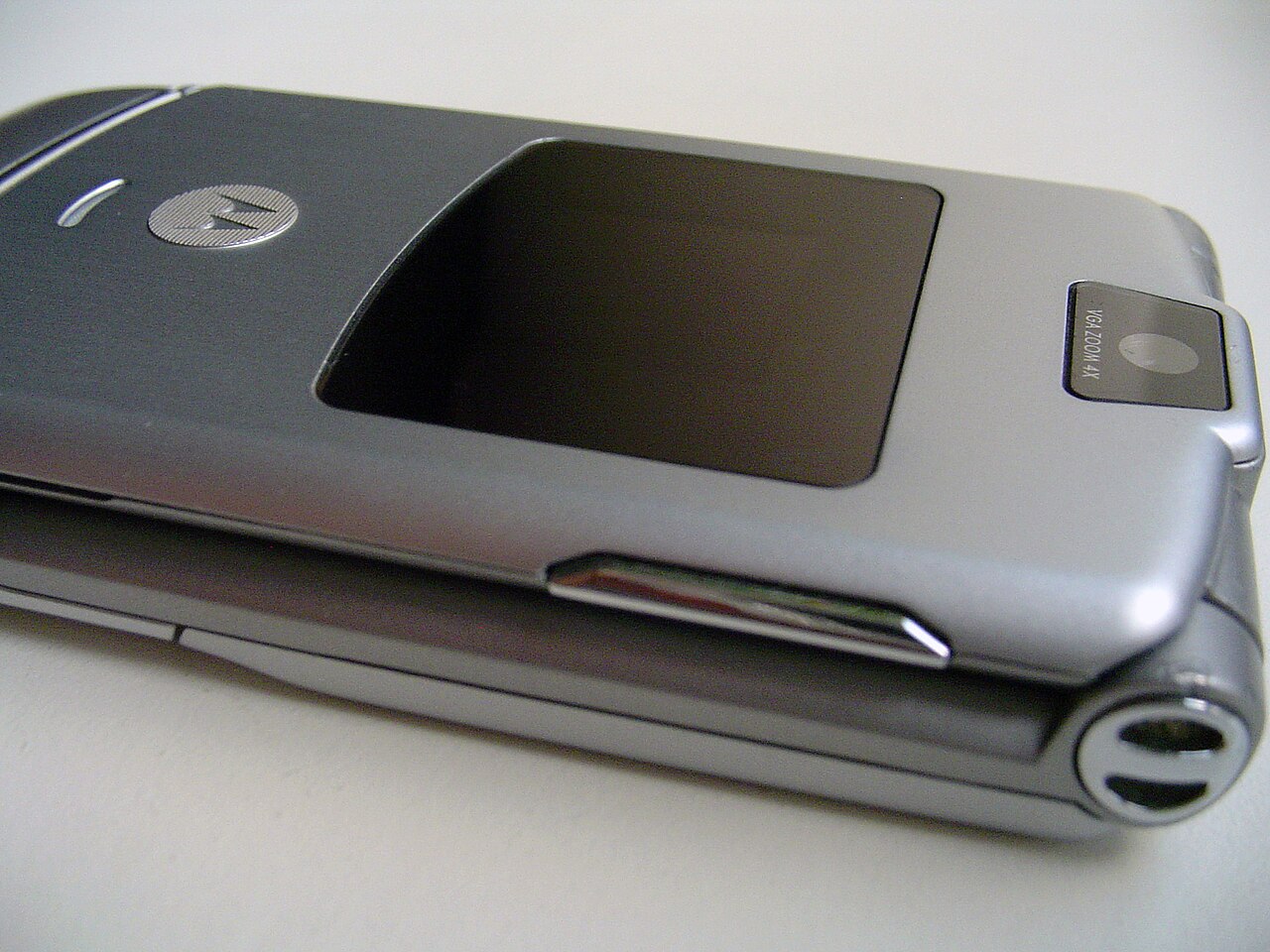
The Motorola Razr V3. -
2006
Twitter is born from a text
Jack Dorsey describes Twitter as “a service that uses SMS to tell small groups what you are doing.” Posts are capped at 140 characters so a post plus a username fits inside one 160-character text.
-
2007
Texts become conversations
Apple introduces the iPhone at Macworld. Its Messages app shows texts as a back-and-forth of speech bubbles, the look nearly every phone uses today.
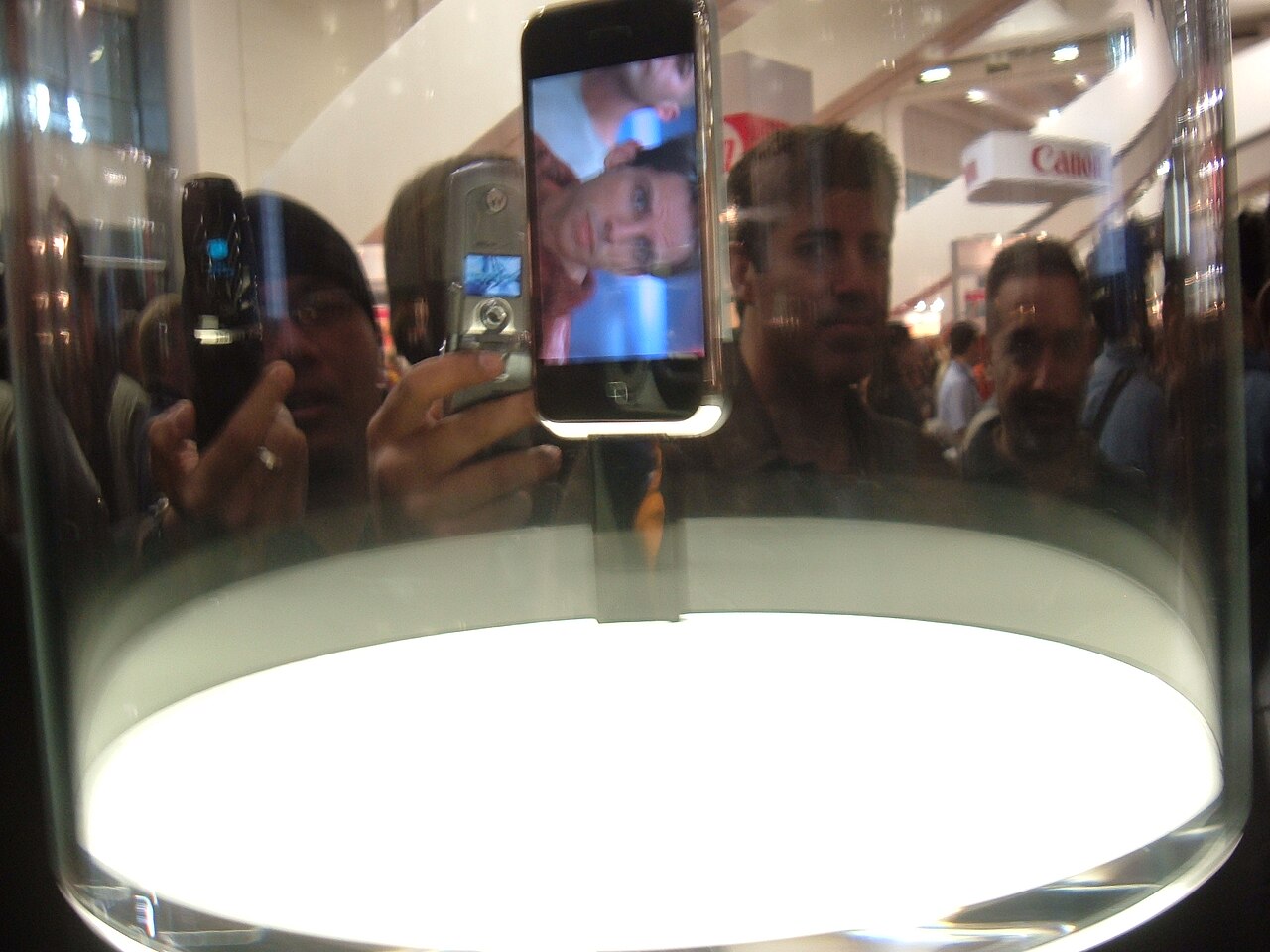
The first iPhone at Macworld 2007. -
2008
Americans text more than they talk
Nielsen finds the typical US mobile subscriber now sends and receives 357 texts a month and makes 204 calls. Two years earlier it was 79 texts. That season, American Idol fans send more than 78 million texts on AT&T, and in an informal AT&T poll, 22% said they first learned to text by voting for the show.
-
2010
6.1 trillion texts
About 3.5 billion people, roughly 80% of mobile subscribers, use texting. Together they send an estimated 6.1 trillion messages in one year. Chat apps arrive too: WhatsApp launches in 2009 and Apple’s iMessage in 2011. Plain texting keeps one advantage: it works on every phone, with no app and no account.
-
2021
The first text sells for €107,000
Vodafone auctions the original “Merry Christmas” message as an NFT in Paris for €107,000 and gives the money to the UN refugee agency. The same year, US carriers bring in 10DLC, a registration system for businesses and organizations that send texts from regular 10-digit numbers.
-
2023
Still the one that everyone has
Americans send about 2.1 trillion texts in a year, according to CTIA, the wireless industry group. More than 80% of people in North America still use SMS.
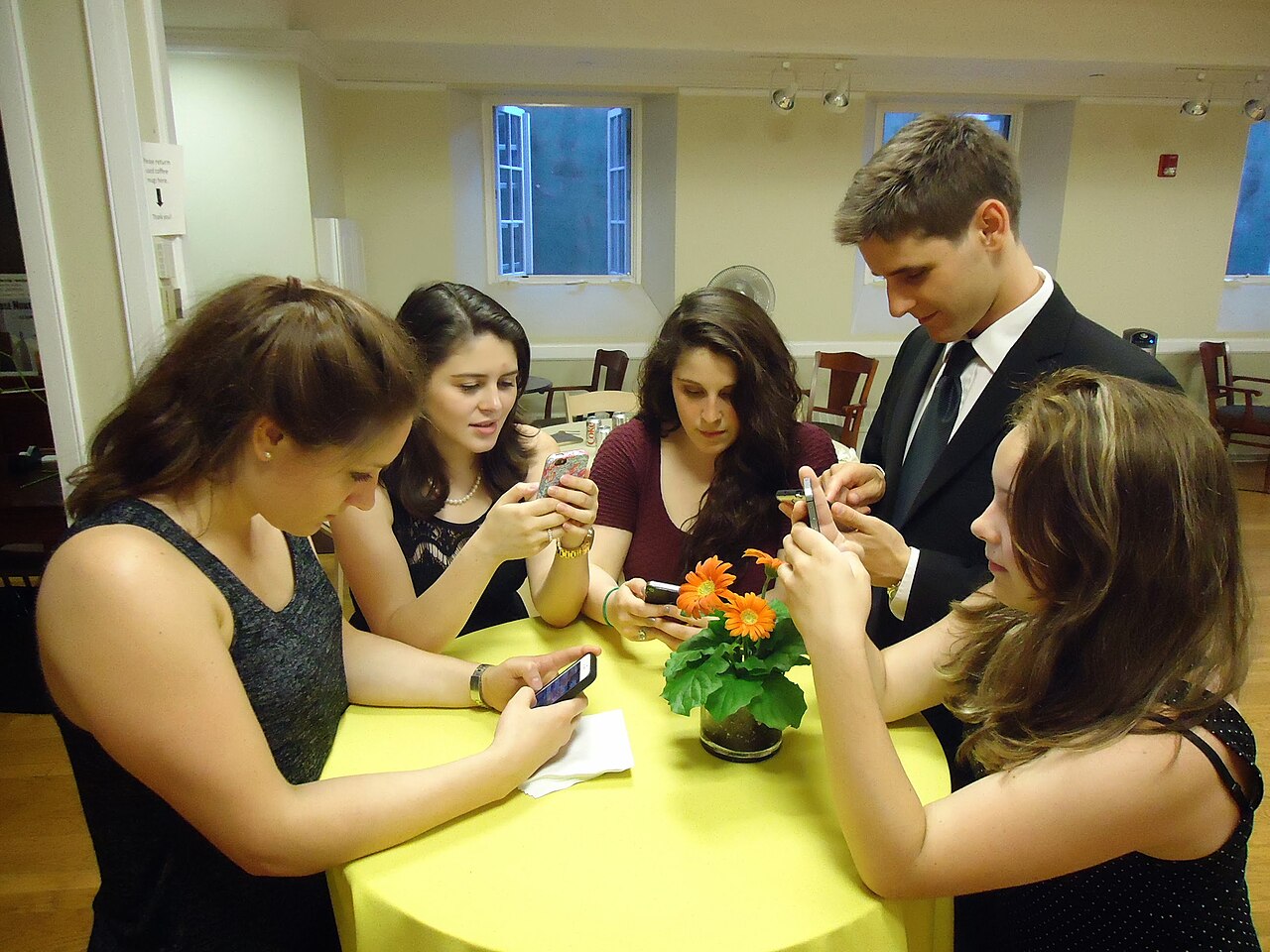
Texting with thumbs, thirty years on. -
2024
RCS: texting gets an upgrade
On September 16, 2024, Apple’s iOS 18 adds RCS, the richer successor to SMS, so iPhones and Android phones can share high-resolution photos, typing indicators and read receipts in ordinary texts. When RCS isn’t available, phones fall back to a regular text.
The same idea, still working for groups
Hillebrand wanted to reach a worker in the field with one short message. That is still the job. SMSGO lets organizers of teams, crews, clubs, congregations and nonprofits send one text to everyone, then see who replied YES. It reaches any phone that can get a text, with no app to install. Members can also choose email.
Texts are $0.03 per text segment, with no per-contact fees and no subscription required.

Text message history, quickly answered
What was the first text message ever sent?
“Merry Christmas.” Engineer Neil Papworth typed it on a computer on December 3, 1992, and sent it over Vodafone’s network in the UK to Richard Jarvis, who received it on an Orbitel 901 phone. Jarvis could not reply, because phones then could not send texts.
Who invented SMS?
Friedhelm Hillebrand of Germany and Bernard Ghillebaert of France developed the idea in 1984 as part of work on GSM, the digital mobile standard. They presented it at the GSM group’s meeting in Oslo in February 1985. Many engineers then built the standard over the following years.
Why are text messages limited to 160 characters?
A text gets 140 bytes of room. At 7 bits per character, 140 bytes hold 160 characters. Hillebrand also found that postcards and telex messages usually held about 150 characters, so 160 felt like enough to say what matters.
When did Americans start texting more than calling?
In 2008. Nielsen found the typical US mobile subscriber sent and received 357 texts a month in the second quarter of 2008, compared with 204 phone calls.
Is SMS still used today?
Yes. Americans sent about 2.1 trillion texts in 2023, according to CTIA, and more than 80% of people in North America use SMS. In 2024, iPhones added RCS, a richer form of texting, and phones fall back to a regular text when RCS is not available.
Sources and photo credits
Facts were checked on October 31, 2026 against these sources:
- Wikipedia, “SMS” (history of the standard, first services, worldwide volumes)
- NPR, “The First Text Message Celebrates 25 Years,” December 4, 2017
- TechCrunch, “This Is Why Text Messages Are 160 Characters in Length,” May 4, 2009
- Nielsen, “In US, Text Messaging Tops Mobile Phone Calling,” 2008
- InformationWeek, “American Idol Fans Break Text Messaging Record,” 2008
- Wikipedia, “Nokia 2010,” “Nokia 3310” and “T9 (predictive text)”
- Euronews, “Merry Christmas: World’s first SMS sells for €107,000 at NFT auction,” December 22, 2021
- Firetext, “How SMS inspired the launch of Twitter”
- CTIA annual survey, as reported September 10, 2024
- 9to5Google, “Android and iPhone RCS messaging,” September 16, 2024
Photos come from Wikimedia Commons, used under each photographer’s free license.
- Mobile Phone Evolution 1992 - 2014: Wikimedia Commons, by Jojhnjoy, Public domain
- 1908 Postcard Back ANDERSON12: Wikimedia Commons, by Unknown authorUnknown author; Publ. by Portland Postcard Co., Portland, Ore. and Seatlle, Wash., Public domain
- Siemens T100 Telex: Wikimedia Commons, by Flominator, CC BY-SA 3.0
- GSM-Telefone-1991: Wikimedia Commons, by Clemens PFEIFFER, CC BY 2.5
- Nokia 2110: Wikimedia Commons, by Muzzamo, Public domain
- Nokia Communicator 9000 Opened 01: Wikimedia Commons, by textlad, CC BY 2.0
- Nokia mobile phone with Vietnamese T9 keyboard: Wikimedia Commons, by Cookie Nguyen, CC BY-SA 4.0
- Nokia 3310 in hand: Wikimedia Commons, by Asimzb, CC BY-SA 3.0
- Motorola Razr V3: Wikimedia Commons, by Empoor at nl.wikipedia, Public domain
- First iPhone Macworld 2007 DSCF1286.agr: Wikimedia Commons, by ArnoldReinhold, CC BY-SA 4.0
- Young people texting on smartphones using thumbs: Wikimedia Commons, by Tomwsulcer, CC0